Framed vs. Frameless Glass Balustrades: What’s the Difference?
When planning a balcony, staircase, terrace or other elevated area, glass balustrades can provide safety while maintaining a clean and modern appearance. However, one of the most important decisions is whether to choose a framed or frameless glass balustrade.
Although both systems use glass to create a protective barrier, their construction, appearance, hardware, maintenance requirements and overall design effect can differ significantly.
Understanding these differences can help homeowners, architects, developers and property owners select the right glass balustrade system for their project.
What Is a Glass Balustrade?
A glass balustrade is a safety barrier made using glass panels supported by a suitable structural system. It can be installed along balconies, staircases, terraces, verandas, landings and other areas where edge protection is required.
Depending on the design, the glass can be supported using aluminium profiles, posts, channels, clamps or other engineered fittings.
The choice of support system creates the main visual difference between framed and frameless glass balustrades.
What Are Framed Glass Balustrades?
Framed glass balustrades use visible structural elements to support the glass.
The frame may consist of aluminium posts, rails, channels or other supporting components. The glass is positioned within or attached to this framework to create the finished barrier.
One advantage of a framed system is that the supporting structure becomes part of the overall architectural design. Different aluminium finishes can also be selected to complement the building.
Framed systems can be suitable for:
- Balconies
- Staircases
- Terraces
- Verandas
- Commercial buildings
- Residential properties
The final appearance depends on the profile design, glass specification, layout and finish selected.
What Are Frameless Glass Balustrades?
Frameless glass balustrades are designed with minimal visible structural elements.
Instead of prominent posts or rails, the glass may be supported through a base channel, clamps or another suitable structural fixing system.
The result is a cleaner appearance where the glass becomes the dominant visual element.
Frameless systems are particularly popular where property owners want to preserve views and create a contemporary architectural appearance.
However, the absence of visible framing does not mean that the system has no structural support. The supporting channel, fittings and fixings remain important components of the installation.
Framed vs. Frameless Glass Balustrades: Key Differences
The main differences can be considered across several areas.
| Feature | Framed Glass Balustrade | Frameless Glass Balustrade |
|---|---|---|
| Appearance | Visible aluminium or structural elements | Minimal visible support |
| Visual openness | Good | Excellent |
| Design style | Structured and architectural | Minimalist and contemporary |
| Glass visibility | Partly interrupted by framing | Glass is more visually dominant |
| Hardware visibility | More visible | Generally less visible |
| Maintenance | Depends on frame and finish | Fewer visible structural components |
| Installation | Requires accurate frame alignment | Requires precise channel/fixing installation |
| Best suited to | Traditional and contemporary designs | Modern and minimalist designs |
The right choice depends on the building, intended application and desired appearance.
Which Glass Is Used for Balustrades?
Glass selection is one of the most important considerations in any balustrade project.
Balustrades require glass that is appropriately specified for the intended application, dimensions, support system and safety requirements.
Depending on the project, options may include toughened glass, laminated glass or suitable combinations of safety glazing.
The correct specification should not be selected based solely on appearance or thickness. The glass, support system, panel dimensions and installation method should be considered together.
For elevated areas, professional assessment is particularly important because the balustrade serves a safety function in addition to its architectural purpose.
Are Frameless Glass Balustrades Safe?
A properly designed and installed frameless glass balustrade can provide an effective safety barrier.
However, safety does not come simply from choosing “frameless” or “framed.”
The complete system should be appropriately specified, including:
- Glass type
- Glass dimensions
- Support channel or fittings
- Fixings
- Structural conditions
- Handrail requirements where applicable
- Installation method
Professional assessment is therefore important before fabrication begins.
Which System Provides Better Views?
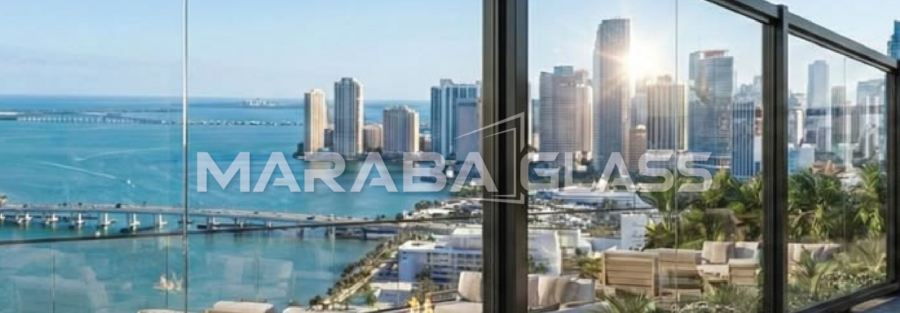
If maintaining an uninterrupted view is a major priority, a frameless glass balustrade can be an attractive option.
With fewer visible posts and rails, the system can provide a more open visual connection between the building and its surroundings.
This can be particularly valuable for balconies, terraces and properties where the surrounding landscape or architectural views are an important part of the design.
Framed systems can still provide excellent visibility, but the supporting aluminium elements are more noticeable.
Which Is Better for Staircases?
Both framed and frameless glass balustrades can work well on staircases.
The choice depends on the staircase design, available fixing points, desired appearance and overall interior or architectural concept.
A frameless system can create a floating, minimalist appearance, while an aluminium-framed system can provide stronger visual definition.
The staircase should be assessed before selecting the support system because the structure and fixing conditions can influence the appropriate design.
Which Glass Balustrade Is Easier to Maintain?
Maintenance requirements depend on the complete system and the environment where it is installed.
Glass surfaces generally require regular cleaning to maintain their appearance. Coastal, dusty or high-traffic environments may require more frequent cleaning.
Framed systems may have additional aluminium surfaces, channels or joints that need cleaning.
Frameless systems have fewer visible structural components, but the glass and base channels still require appropriate maintenance.
Good installation and proper drainage can also help maintain the finished system.
Does the Aluminium Finish Matter?
For framed systems, the aluminium finish can have a significant effect on the final appearance.
Businesses and homeowners may select finishes that complement:
- Window frames
- Doors
- Staircases
- Exterior walls
- Interior finishes
- Existing aluminium systems
The finish should ideally be considered alongside the wider architectural design rather than selected independently.
What Should You Consider Before Choosing a Glass Balustrade?
Before approving a glass balustrade system, consider:
- Location of the balustrade
- Balcony, staircase or terrace configuration
- Required safety specification
- Glass type
- Glass dimensions
- Framed or frameless design
- Support system
- Aluminium finish
- Handrail requirements
- Fixing and structural conditions
- Maintenance requirements
- Overall architectural appearance
This approach helps ensure that the chosen system is based on both functionality and design.
Why Accurate Measurements Matter
Glass balustrades are normally fabricated according to specific site dimensions.
Accurate measurements help determine panel sizes, support locations, channels, angles and other installation requirements.
A professional process can follow:
Site Assessment → Measurements → Design & System Selection → Glass Specification → Quotation → Fabrication → Delivery → Installation
This reduces the risk of relying on assumptions when preparing the balustrade.
Which Is Better: Framed or Frameless Glass Balustrades?
There is no universal answer.
Choose a framed glass balustrade when the project benefits from visible aluminium structure, defined framing and a more structured architectural appearance.
Choose a frameless glass balustrade when the priority is a minimalist appearance, greater visual openness and maximum visibility through the barrier.
In both cases, the most important consideration is selecting a suitable complete system and having it professionally measured, fabricated and installed.
Why Choose Maraba Glass & Aluminum Systems Ltd.?
Maraba Glass & Aluminum Systems Ltd. provides professional glass and aluminium solutions for residential and commercial projects.
Our services can cover glass balustrades, aluminium systems, glass doors, windows and customised glass installations, with project requirements assessed before fabrication.
For balustrades, the focus is on matching the glass specification, support system, design, measurements and installation requirements to the intended application.
Frequently Asked Questions
Are frameless glass balustrades better than framed balustrades?
Not necessarily. Frameless systems offer a minimalist appearance and excellent views, while framed systems provide visible structural framing and a different architectural character. The best option depends on the project requirements.
What is the difference between framed and frameless glass balustrades?
Framed balustrades use visible aluminium or structural framing to support the glass, while frameless systems minimise visible supports through channels, clamps or other concealed or low-visibility fixing methods.
What type of glass is suitable for a balustrade?
The glass should be selected according to the application, dimensions, support system and relevant safety requirements. Toughened and laminated safety glazing are among the options that may be considered.
Can glass balustrades be installed on staircases?
Yes. Glass balustrades can be designed for staircases, landings and other areas where a suitable safety barrier is required, subject to the structure and installation conditions.
Do frameless glass balustrades have structural support?
Yes. “Frameless” refers primarily to the lack of prominent visible framing. The glass still requires an appropriately designed support and fixing system.
Conclusion
The difference between framed and frameless glass balustrades is mainly in the way the glass is supported and how the finished system looks.
Framed systems provide a more defined architectural appearance with visible aluminium or structural components. Frameless systems minimise those visual elements to create a cleaner and more open appearance.
Rather than choosing based only on aesthetics, consider the glass specification, support system, site conditions, safety requirements, maintenance and overall building design.
A professional onsite assessment can help determine which glass balustrade solution is appropriate for your project.
Planning Glass Balustrades?
Maraba Glass & Aluminum Systems Ltd. provides professional glass balustrade and aluminium solutions for residential and commercial projects.
📌 Onsite consultation fee applies.
📞 Call/WhatsApp: 0733 444 516 | 0745 730 042
📍 Nairobi & Countrywide
🌐 www.marabaglass.com | info@marabaglass.com
Book your onsite consultation today to discuss the right framed or frameless glass balustrade solution for your project.