
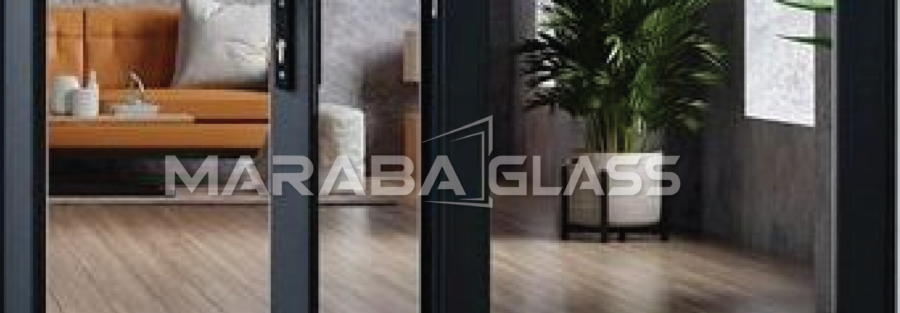
10 Things to Consider Before Installing Aluminium Doors
Installing aluminium doors is an important decision for homeowners, property developers, offices and commercial buildings. The right aluminium door can improve security, natural light, ventilation, accessibility, appearance and everyday functionality.
However, choosing a door should involve more than selecting a colour or design. The aluminium profile, glass specification, door configuration, hardware, opening size, installation conditions and intended use can all affect the final result. Professional aluminium door installation also depends heavily on accurate measurements, proper fabrication, sealing and alignment. (Maraba Glass and Aluminum Systems Ltd)
Before approving an aluminium door project, consider these 10 important factors.
1. Consider Where the Aluminium Door Will Be Installed
The location should influence the type of aluminium door you select.
A main entrance may require stronger security features, while a patio or balcony may prioritise wider openings and natural light. Internal office doors may have different requirements from external residential doors.
Consider whether the door will be used for:
- Main entrances
- Back or service entrances
- Balconies
- Patios
- Offices
- Shopfronts
- Internal rooms
- Commercial buildings
The environment can also influence the material and finish selected. For example, coastal conditions require careful consideration of corrosion resistance and suitable finishes. (Formlab Kenya)
2. Choose the Right Aluminium Door Design
Aluminium doors are available in different configurations, including hinged, sliding, folding and specialised systems.
A hinged aluminium door can be suitable where a conventional swing opening is preferred.
A sliding aluminium door can help maximise usable floor space because the panels move along a track rather than swinging into the room.
A folding aluminium door can create a wider opening and may be suitable for spaces connecting interiors with patios, balconies or outdoor areas.
The best configuration depends on the available space, opening dimensions and how frequently the door will be used.
3. Check the Aluminium Profile and System
The aluminium profile forms the structural framework of the door.
It should be selected according to the door size, configuration, glass specification, expected use and installation conditions.
Large openings or high-traffic commercial applications may require a different system from a standard internal door.
Rather than choosing an aluminium door based only on appearance, ask what profile and system are being proposed and whether they are suitable for the intended application.
Quality aluminium systems combine appropriate profiles, precision fabrication and suitable installation practices to achieve structural stability and long-term performance. (Maraba Glass and Aluminum Systems Ltd)
4. Select the Appropriate Glass
For aluminium glass doors, the glass specification is an important part of the overall system.
Depending on the application, options may include:
- Clear glass
- Tinted glass
- Frosted glass
- Toughened glass
- Laminated glass
- Reflective glass
- Energy-efficient glazing
Safety requirements should be considered when selecting glass. Toughened and laminated safety glass can provide different performance characteristics, so the appropriate specification should be determined according to the door design and application. (Maraba Glass and Aluminum Systems Ltd)
Do not assume that thicker glass is automatically better. The correct glass should be selected according to the complete door system and intended use.
5. Think About Security Before Installation
An aluminium door should provide an appropriate level of security for its location.
Consider the:
- Locking system
- Handles
- Hinges
- Door frame
- Glass specification
- Number of locking points
- Overall door configuration
For a main entrance, security may be a higher priority than for an internal office door.
High-quality hardware can improve both security and everyday usability. (dbpltd.co.uk)
Security should therefore be discussed during the design stage rather than treated as an afterthought.
6. Pay Attention to Hardware and Accessories
Small components can have a major effect on how an aluminium door performs.
Depending on the door system, hardware may include:
- Handles
- Locks
- Hinges
- Rollers
- Tracks
- Door closers
- Gaskets
- Weather seals
- Floor springs
For sliding doors, rollers and tracks are particularly important because they influence smooth movement.
For hinged doors, hinges, handles and locks need to be appropriate for the door’s size and frequency of use.
A quality aluminium door is therefore more than the visible frame and glass. The hardware forms part of the complete system.
7. Consider the Aluminium Finish and Colour
The finish should complement the building’s architectural design.
Common aluminium finishes can include black, white, grey, bronze, silver, charcoal and woodgrain options. Custom colours may also be available depending on the system and project requirements. (Maraba Glass and Aluminum Systems Ltd)
When choosing a finish, consider how it will work with:
- Exterior walls
- Interior finishes
- Windows
- Curtain walls
- Glass partitions
- Other aluminium doors
- Existing architectural elements
A consistent finish can create a more coordinated appearance throughout the property.
8. Check the Opening and Site Measurements
Accurate measurements are essential before aluminium doors are fabricated.
The installer should assess the actual opening, including the width, height, floor condition, wall alignment and available installation space.
Site conditions can affect the final door configuration and fabrication requirements.
A professional aluminium door project commonly follows a process such as:
Consultation → Site Survey → Measurements → Design & Specification → Quotation → Fabrication → Installation → Final Inspection
This approach helps reduce problems caused by inaccurate dimensions or overlooked site conditions. (Maraba Glass and Aluminum Systems Ltd)
9. Consider Weather Sealing and Drainage
External aluminium doors need to deal with environmental conditions such as rain, wind and dust.
Proper sealing, gaskets and installation details can help minimise water and air infiltration.
The design of the frame, threshold, drainage arrangements and installation method should therefore be considered together.
This is especially important for doors exposed directly to the weather.
A beautifully fabricated door can still perform poorly if it is not correctly installed and sealed.
10. Choose an Experienced Aluminium Door Installer
The quality of the finished aluminium door depends not only on the materials but also on fabrication and installation.
An experienced installer should be able to:
- Take accurate measurements
- Recommend an appropriate door system
- Specify suitable glass
- Select compatible hardware
- Fabricate accurately
- Install and align the door correctly
- Check seals and operation
- Complete final quality checks
Professional installation helps address issues such as misalignment, poor sealing and difficult operation. (Formlab Kenya)
Before approving a contractor, review completed projects and confirm what is included in the installation scope.
What Should You Ask Before Approving Aluminium Door Installation?
Before approving the project, ask:
- What aluminium profile is being used?
- What type of glass is included?
- What door configuration is recommended?
- What hardware will be installed?
- What aluminium finish is proposed?
- How will the opening be measured?
- How will the door be sealed?
- What site conditions could affect installation?
- What fabrication and installation processes are included?
- What final inspection will be carried out?
A detailed quotation should clearly identify the proposed materials, specifications and scope of work.
Why Accurate Planning Matters
Aluminium doors are often custom-fabricated to suit the actual building opening. Maraba Glass & Aluminum Systems Ltd. describes its process as consultation, site survey, design and fabrication, professional installation and final inspection. (Maraba Glass and Aluminum Systems Ltd)
Planning the project properly allows the door system, glass, hardware, finish and installation requirements to be considered together.
This is particularly important for large entrances, sliding doors, folding systems and commercial projects where the door may experience frequent daily use.
Why Choose Maraba Glass & Aluminum Systems Ltd.?
Maraba Glass & Aluminum Systems Ltd. specialises in the design, fabrication, supply and installation of aluminium windows and doors for residential, commercial, hospitality, institutional and architectural projects across Kenya. (Maraba Glass and Aluminum Systems Ltd)
The company provides custom aluminium systems using different glass options, finishes and hardware configurations, with the project assessed according to its specific requirements.
From site assessment and measurements to fabrication, installation and final inspection, the objective is to provide an aluminium door solution that combines functionality, security, aesthetics and long-term performance.
Frequently Asked Questions
What should I consider before installing an aluminium door?
Consider the door location, design, aluminium profile, glass type, security, hardware, finish, measurements, weather sealing and installer experience.
Are aluminium doors suitable for external entrances?
Yes. Aluminium doors can be used for residential and commercial entrances when the appropriate system, glass, hardware, finish and installation method are selected.
Which glass is best for aluminium doors?
The appropriate glass depends on the application, door configuration, dimensions, safety requirements, privacy needs and other project specifications. Options can include clear, tinted, frosted, toughened and laminated glass.
Are sliding aluminium doors suitable for small spaces?
Sliding doors can be useful where floor space is limited because the door panels move along a track instead of swinging into the room.
Why are accurate measurements important?
Accurate measurements help ensure that the aluminium frame, glass panels, hardware and door configuration are fabricated to suit the actual opening.
Conclusion
Choosing aluminium doors involves more than selecting a modern design. The door system, aluminium profile, glass, hardware, security, finish, measurements, sealing and installation quality all contribute to the final result.
Before installation, assess how the door will be used, where it will be installed and what level of performance the building requires.
With proper planning, accurate measurements, suitable materials and professional installation, an aluminium door can provide a practical and attractive solution for residential and commercial spaces.
Planning to Install Aluminium Doors?
Maraba Glass & Aluminum Systems Ltd. provides professional aluminium door design, fabrication, supply and installation for residential and commercial projects.
📌 Onsite consultation fee applies.
📞 Call/WhatsApp: 0733 444 516 | 0745 730 042
📍 Nairobi & Countrywide
🌐 www.marabaglass.com | info@marabaglass.com
Book your onsite consultation today to discuss the right aluminium door solution for your project.