GLASS AND ALUMINIUM PROJECT PLANNING | STEP-BY-STEP GUIDE TO YEAR-END PROJECT COMPLETION
Completing a glass and aluminium project before year-end requires more than ordering materials and scheduling installation. Proper project planning helps coordinate measurements, quotations, material selection, fabrication, delivery and installation so that each stage is completed in the correct sequence.
Whether you are planning aluminium doors, aluminium windows, glass partitions, shopfronts, shower enclosures or other glass and aluminium installations, starting the process early can make year-end completion more achievable.
Why Is Glass and Aluminium Project Planning Important?
Glass and aluminium projects involve several connected stages. A delay at one stage can affect the stages that follow.
For example, fabrication cannot normally begin accurately before measurements and specifications are confirmed. Installation may then depend on the availability of the fabricated components and readiness of the site.
A structured plan helps coordinate:
- Site assessment
- Measurements
- Design and specifications
- Quotation approval
- Payment schedule
- Material procurement
- Fabrication
- Delivery
- Installation
- Final inspection
Planning these stages early gives the project team a clearer execution timeline.
Step 1: Define the Glass and Aluminium Project Scope
The first step is to establish exactly what needs to be completed.
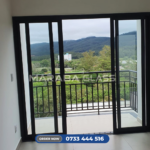
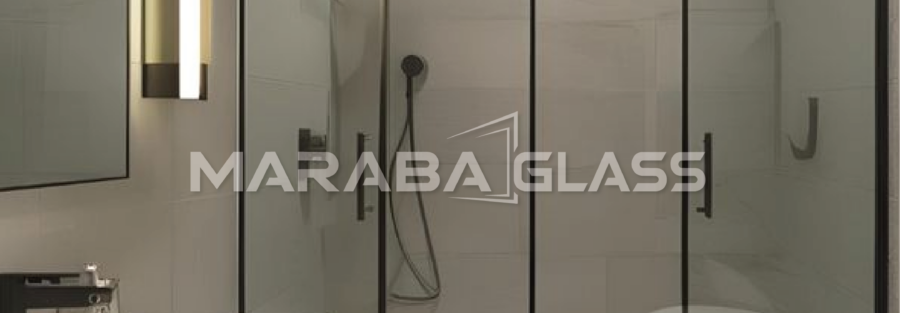
The scope may include aluminium doors, windows, glass walls, office partitions, shopfronts, balcony glazing, shower cubicles or other installations.
Identify the openings, quantities, preferred configurations and intended use of each installation.
A clear scope reduces confusion when the quotation and fabrication specifications are prepared.
Step 2: Arrange an Onsite Assessment and Measurements
Accurate measurements are essential for glass and aluminium fabrication.
During an onsite assessment, the project requirements can be reviewed and the relevant openings measured.
The assessment can also identify:
- Existing structures
- Wall conditions
- Floor levels
- Access limitations
- Installation requirements
- Opening dimensions
- Potential site constraints
Accurate measurements reduce the risk of fabrication errors and unnecessary adjustments during installation.
Step 3: Confirm Materials and Specifications
Before fabrication begins, confirm the materials and specifications.
This can include:
- Aluminium profiles
- Glass type
- Glass thickness
- Aluminium finish
- Hardware
- Handles
- Locks
- Rollers
- Hinges
- Tracks
- Seals and accessories
The appropriate specification depends on the application, design and project requirements.
Changing materials after fabrication has started can affect the execution process, so specifications should be confirmed early.
Step 4: Review and Approve the Quotation
Once the project requirements have been assessed, the quotation should be reviewed carefully.
Check that the quotation clearly reflects the agreed:
- Scope of work
- Materials
- Quantities
- Specifications
- Fabrication
- Installation
- Delivery requirements
- Payment terms
If the quotation is approved, the next stage should follow the payment schedule agreed between the parties.
Step 5: Make the Initial Deposit According to the Agreed Payment Schedule
The initial deposit should be made according to the payment schedule agreed in the quotation or contract.
Once the required initial payment and project requirements have been confirmed, project planning, material procurement and fabrication can commence according to the agreed process.
This is particularly important for year-end projects because fabrication and material preparation require coordination before installation can take place.
Clients should therefore avoid leaving approved projects until the last minute if they have a specific completion deadline.
Step 6: Begin Material Procurement and Fabrication
After the project has been approved and the applicable initial payment has been received, the required materials can be planned and prepared for fabrication.
The fabrication stage may involve:
Material preparation → Cutting → Assembly → Glass preparation → Hardware fitting → Quality checks
The exact process depends on the type and complexity of the installation.
Customised glass and aluminium systems may require additional fabrication time, making early planning especially important for projects targeting completion before the end of the year.
Step 7: Prepare the Site for Installation
Fabrication and site preparation should progress together where possible.
The installation area should be ready before the fabricated components arrive.
Depending on the project, site readiness may involve:
- Completed wall finishes
- Appropriate floor levels
- Clear installation areas
- Removal of obstructions
- Completed related construction works
- Suitable access for delivery and installation
A fabricated door or window cannot always be installed immediately if the surrounding construction work is incomplete.
Step 8: Schedule Delivery and Installation
Once fabrication is completed and the site is ready, delivery and installation can be scheduled.
Installation should be coordinated around the wider construction or renovation programme.
For larger projects, different areas may be installed in phases.
A coordinated schedule helps reduce unnecessary waiting time between:
Fabrication → Delivery → Installation → Inspection
Step 9: Carry Out Installation and Final Adjustments
Professional installation is an important part of glass and aluminium project execution.
Depending on the system, installation may include fitting frames, glass panels, doors, locks, rollers, handles, tracks and other components.
After installation, adjustments may be required to ensure doors and windows operate correctly and the finished installation meets the approved requirements.
Step 10: Conduct a Final Inspection Before Project Completion
Before the project is considered complete, inspect the finished installation.
Check:
- Door and window operation
- Glass condition
- Locks and handles
- Sliding mechanisms
- Alignment
- Seals
- Finishes
- Overall workmanship
Any outstanding issues should be identified and addressed before final handover.
How Can Year-End Aluminium and Glass Projects Avoid Delays?
Year-end deadlines can create additional pressure because several projects may be scheduled for completion during the same period.
The best approach is to avoid unnecessary delays at the beginning of the process.
Clients can help by:
Approving specifications early, making scheduled payments on time, providing access to the site, confirming changes before fabrication and ensuring the installation area is ready.
Contractors and suppliers can also improve project coordination through proper material planning, fabrication scheduling and communication.
What Happens If Project Specifications Change During Execution?
Changes should be communicated as soon as possible.
A variation may affect:
- Material requirements
- Fabrication
- Delivery
- Installation
- Project timelines
- Project documentation
Where a change affects the agreed scope or cost, it should be properly reviewed and approved before additional work proceeds, according to the applicable project terms.
Late changes can be particularly disruptive when working toward a year-end completion date.
A Practical Year-End Glass and Aluminium Project Timeline
A typical project sequence can be organised as:
1. Project enquiry
Define the required installations.
2. Site assessment
Measure and assess the openings.
3. Specification
Confirm glass, aluminium, hardware and finishes.
4. Quotation
Review and approve the proposed scope.
5. Initial payment
Make the required payment according to the agreed schedule.
6. Project planning
Coordinate procurement, fabrication and installation.
7. Fabrication
Manufacture the required components.
8. Site preparation
Ensure the installation areas are ready.
9. Delivery and installation
Install the completed systems.
10. Inspection and handover
Check workmanship and complete outstanding adjustments.
Starting this process early gives each stage sufficient time to be coordinated properly.
Why Choose Maraba Glass & Aluminum Systems Ltd.?
Maraba Glass & Aluminum Systems Ltd. provides professional glass and aluminium fabrication, supply and installation for residential, office and commercial projects.
Our project approach focuses on coordinating the key stages from site assessment and measurements through specification, quotation, fabrication, delivery and installation.
Whether you are planning aluminium doors, windows, office glass partitions, shopfronts, shower enclosures or other glass and aluminium solutions, proper planning can help keep the project organised from approval to completion.
Frequently Asked Questions
How early should I start planning a glass and aluminium project?
Start as early as possible, particularly if the project has a specific year-end completion target. Early planning allows sufficient time for assessment, specification, quotation approval, payment, fabrication and installation.
When does fabrication begin after approving a quotation?
Fabrication can commence according to the agreed project process once the quotation has been approved, the required initial payment has been made according to the agreed payment schedule, and the necessary specifications and measurements have been confirmed.
Can changes be made after fabrication starts?
Changes may be possible depending on the stage of fabrication, but they can affect materials, costs and timelines. Any changes should be reviewed and documented before proceeding.
Why are accurate measurements important?
Measurements determine the dimensions of the fabricated glass and aluminium components. Accurate measurements help reduce fabrication errors and installation problems.
What can cause a glass and aluminium project to delay?
Common causes include late approvals, delayed payments, changes to specifications, inaccurate measurements, material availability, incomplete site preparation and restricted site access.
Conclusion
Successful glass and aluminium project planning depends on coordinating every stage from the initial assessment to final installation.
For projects targeting year-end completion, early decisions are especially important. Define the scope, complete accurate measurements, confirm specifications, approve the quotation and make the initial deposit according to the agreed payment schedule. Project planning, material preparation and fabrication can then proceed according to the agreed execution plan.
Clear communication, timely approvals, scheduled payments and proper site preparation can help keep the project moving efficiently and reduce avoidable delays.
Planning a Glass and Aluminium Project Before Year-End?
Do not wait until the final weeks of the year to begin planning your project.
Maraba Glass & Aluminum Systems Ltd. provides professional glass and aluminium solutions for residential, office and commercial projects.
📌 Onsite consultation fee applies.
📞 Call/WhatsApp: 0733 444 516 | 0745 730 042
📍 Nairobi & Countrywide
🌐 www.marabaglass.com | info@marabaglass.com
Book your onsite consultation today and start planning your glass and aluminium project for a smooth year-end completion.